A Renaissance in Bordeaux
Bordeaux is proving that what’s old can be new again. Considered the most iconic and tradition-bound wine regions, Bordeaux is quietly shaking up the wine world with an unexpected openness, blending tradition with fresh attitude towards viticulture. So if you think you know Bordeaux, let’s think again.
The Enigma of Bordeaux
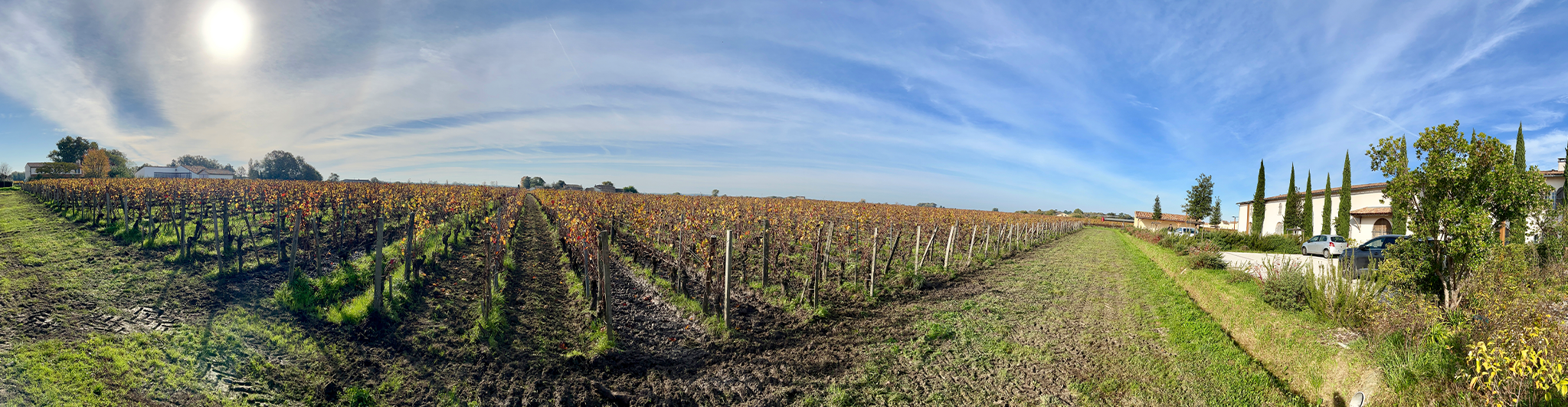
For oenophiles, Bordeaux is a storied place. Located in Northwestern France, the bucolic region is dotted with charming hotels, impressive chateaux, Michelin rated restaurants and vineyards that stretch as far as the eye can see. The scene is a fairy tale come to life.
Its famous wines are stepped in history and there’s nothing as simplistic as a Napa Cab here.
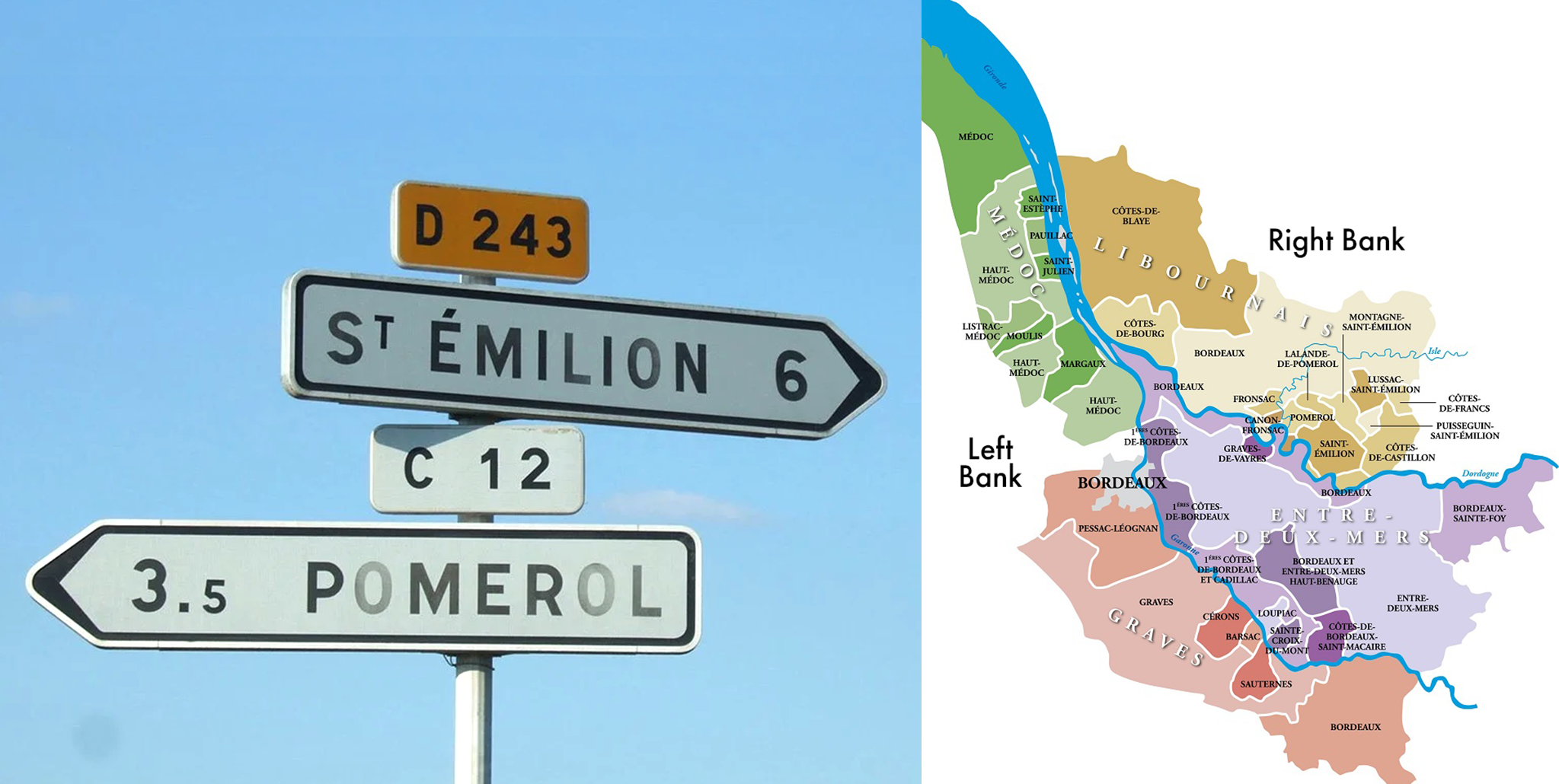
In Bordeaux, the first question that pops up is, from where? Right or Left Bank? Then do you prefer Saint-Emilion or Pomerol?
Do you want a Grand Cru classe or a Second growth? And what Classification system does the wine belong to? It’s enough to have your head spinning without imbibing a drop of the stuff!
But it’s precisely this history and tradition that makes Bordeaux so compelling. The region and its wines are full of layers waiting to be discovered. With so much to uncover, experiencing Bordeaux first hand is the best way to understand and enjoy its lineage of celebrated wines.
Bordeaux’s Storied History
Before appreciating the new in Bordeaux, you must understand the old. Bordeaux’s wine-making history dates back over 2,000 years when the Romans introduced viticulture.
Before appreciating the new in Bordeaux, you must understand the old. Bordeaux’s wine-making history dates back over 2,000 years when the Romans introduced viticulture.
In the 12th century, the region was known for a light red style of wine called Claret. Bordeaux rose to wine prominence in the 17th and 18th centuries when it developed what we know today as a Bordeaux blend.
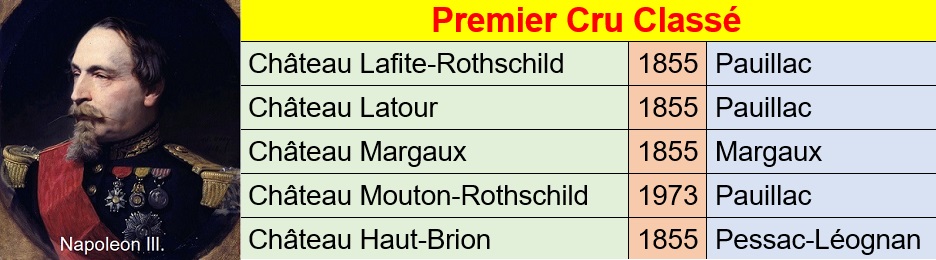
In the 19th century, the famous 1855 Bordeaux Classification was instituted by Emperor Napoleon III, the nephew of Napoleon Bonaparte (a wine connoisseur himself), to showcase France’s top wines at the international Exposition Universelle de Paris. It ranks 61 chateaux from the Médoc (and Château Haut-Brion from Graves) and 27 sweet wine producers from Barsac and Sauternes into five quality levels, first to fifth growths. These rankings remain largely unchanged today.
The first growths, or Premiers Crus, are some of the most iconic names in the wine world: Château Lafite Rothschild, Château Latour, Château Margaux, Château Haut-Brion and Château Mouton Rothschild.
Since the 1855 Classification, other regions of Bordeaux created their own classification systems, which is one reason deciphering Bordeaux wines is so complex. You might see a Premier Cru wine that isn’t from one of the five houses from the 1855 Classification and wonder how that’s possible. It’s because they hold that status from another classification like the Saint-Emilion Classification. On paper, it seems confusing, but when you’re in Bordeaux and experiencing the wines, it becomes clearer. (We promise!)
Bordeaux Today-Sustainability at the Forefront
Like many wine regions, Bordeaux is dealing with the effects of climate change. Rising temperatures and erratic weather changes can easily change Bordeaux wine’s alcohol level and freshness. Add in that it can also impact the very terroir revered by oenophiles, and varietals like Merlot that struggle in higher temperatures are at risk, and it’s no wonder the region is making changes to the centuries-old traditions.
Today 75 percent of vineyards have some type of sustainable certification such as Haute Valeur Environnementale (HVE) or biodynamic labels. The Bordeaux Wine Council (CIVB) aims for 100% sustainability certification by 2030.
In 2017, St. Emilion dictated that every bottle of St.-Emilion wine be made from grapes grown with sustainable farming methods, such as organic or biodynamic viticulture.
Throughout Bordeaux, winemakers are going back to basics with agriculture, doing more by hand and less by machine. The results are wines that are a labor of love that express the true terroir of Bordeaux, and a farming method that will leave the land fertile for future generations of wine lovers to enjoy.
Château Troplong Mondot, in St. Emilion is just one house that takes sustainability to heart. The winery eliminated herbicides, insecticides and chemical fertilizers in the early 2000s. Today, horses plow, sow and till the vineyards instead of tractors. This keeps the soil from compacting. They plant herbs and legumes during winter that actually replenish soul nutrients. The estate has created habitats for wildlife and, as a result, has attracted numerous birds, bees, butterflies and small mammals that help keep the vineyards healthy. Pigs and ducks, yes you read that right, are sheltered to consume methane generating waste.
New Varietals
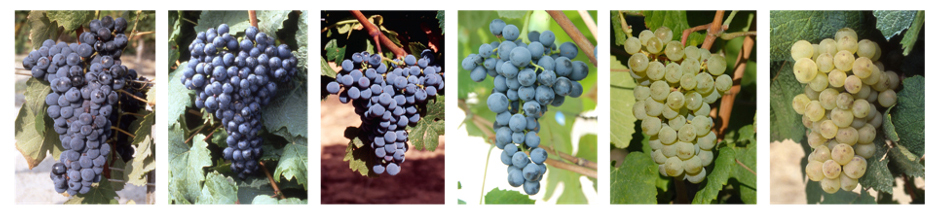
Considering the iconic varietals in a Bordeaux blend, perhaps one of the most surprising ways the region is addressing climate change is by approving six new grapes. The four red grapes and two white were picked for their ability to withstand drought and heat.
The reds include Castets, a historic Bordeaux varietal, Arinarnoa a cross between Tannat and Cabernet Sauvignon, Marselan a cross of Cabernet Sauvignon and Grenache and Touriga Nacional, a Portuguese varietal. The whites include Albarino and Liliorila, a hybrid.
Rules dictate that the new grapes cannot exceed 10 percent of a blend. The first wines with these new grapes will be released shortly, with bated breath.
Modern Approach
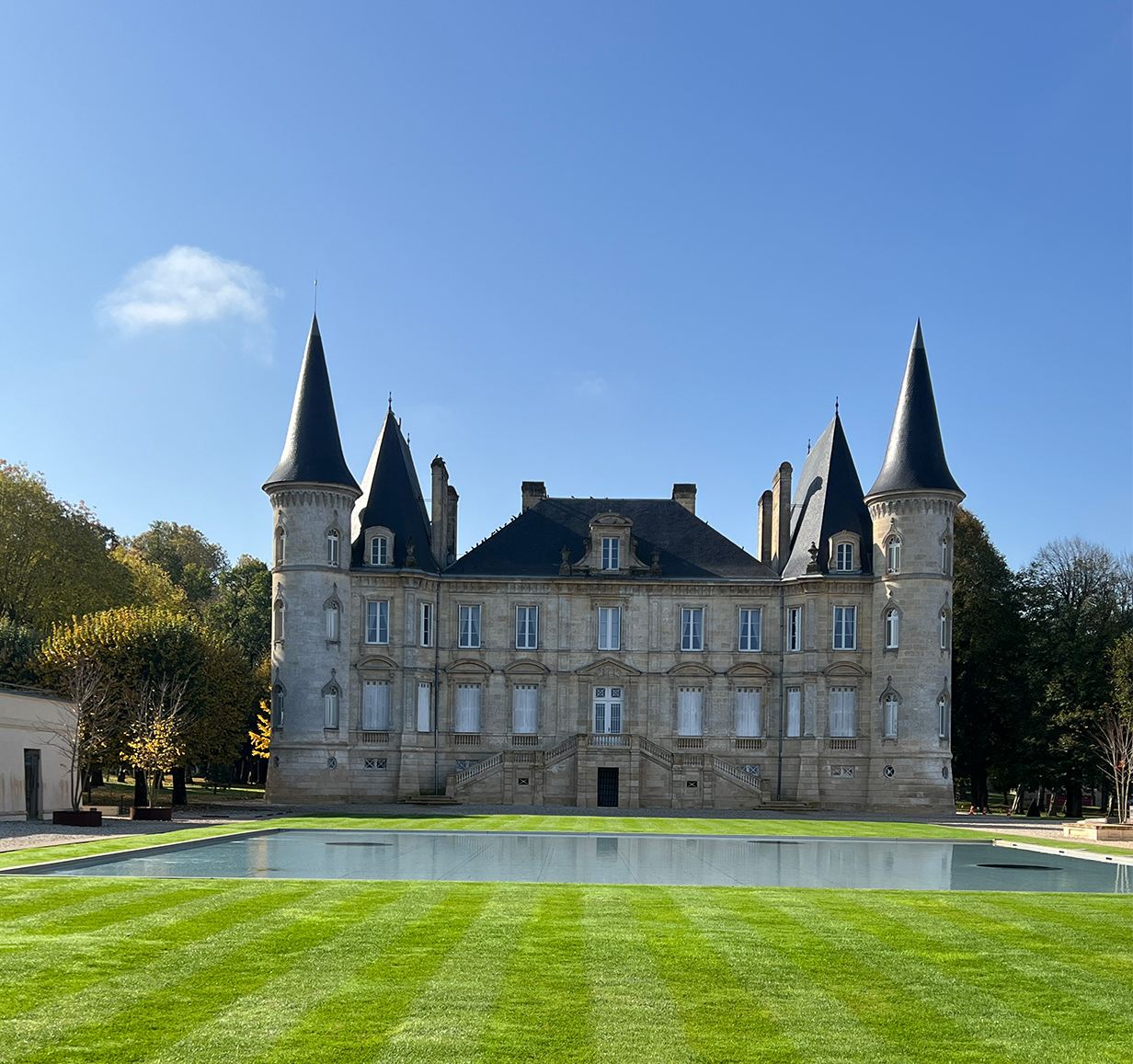
Located on the Left Bank in Pauillac, Château Pichon Baron is a prestigious second-growth producer that’s made wine since 1850.
The first thing you’ll notice on the property is the stunning 19th-century castle that screams “Bordeaux Fantasy”. Tiptoe into the bowels of their wine making cellar and you’ll notice that winemaker Pierre Montégut and his team aren’t afraid to take a modern approach to winemaking in this historic winery.
Throughout Bordeaux, winemakers like Montégut are using less oak and more neutral vessels like amphora and stainless-steel tanks. This approach lets the fruit shine through and appeals to modern tastes. It is also more sustainable and can help the winemaker deal with the higher alcohol and tannin content that occurs as the climate heats up.
Located on the Left Bank in Pauillac, Château Pichon Baron is a prestigious second-growth producer that’s made wine since 1850.
The first thing you’ll notice on the property is the stunning 19th-century castle that screams “Bordeaux Fantasy”. Tiptoe into the bowels of their wine making cellar and you’ll notice that winemaker Pierre Montégut and his team aren’t afraid to take a modern approach to winemaking in this historic winery.
Throughout Bordeaux, winemakers like Montégut are using less oak and more neutral vessels like amphora and stainless-steel tanks. This approach lets the fruit shine through and appeals to modern tastes. It is also more sustainable and can help the winemaker deal with the higher alcohol and tannin content that occurs as the climate heats up.
Off-the-Beaten Path
When you travel with Xplorearth our goal is to immerse you in the culture and introduce you to local gems.
In Bordeaux, one of our favorite spots is Château Figeac. It shares a border with Château Cheval Blanc and is a close neighbor to Petrus. What this means is that its wines come from the same terroir as its famous neighbors and are a fraction of the price. Château Figeac has been a major Bordeaux producer since the 18th century, and the locals firmly assert that it’s one of the best wines in the region.
We also support the underrated small producers in the region like Clos Dubreuil. The winery is owned by the Eads family from Texas, and our guests have the opportunity to enjoy a tasting and lunch with owner Ralph Eads. Ralph has created waves in the valley by producing its first Chardonnay ever, and its delicious.
The various château in the region are drop-dead gorgeous, and one way to appreciate their beauty is by dining at La Terrasse Rouge, which overlooks both, Château Cheval Blanc and Petrus.
Where to Stay
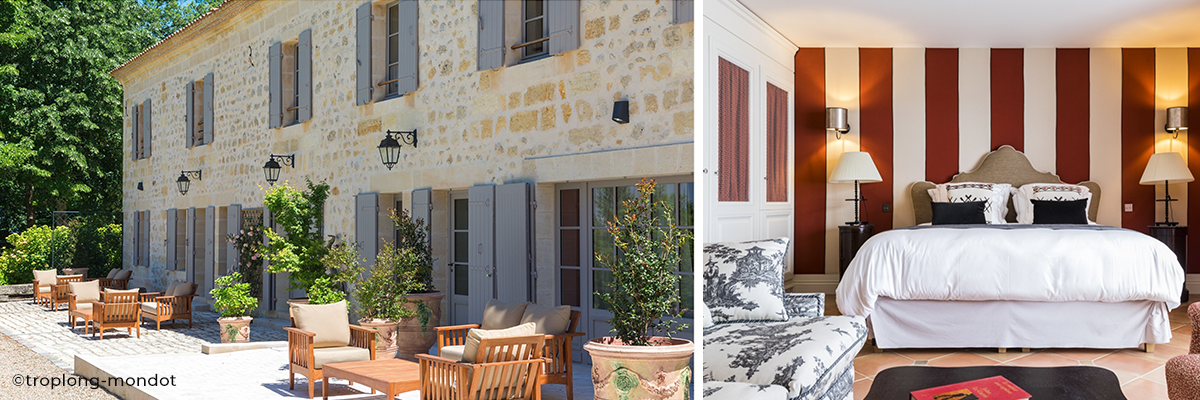
When you come to Bordeaux nothing beats staying at an actual winery or chateaux. One of our top spots for small groups is Château Troplong Mondot. The estate has four luxuriously appointed rooms and one villa. You can’t beat starting the day with a sumptuous breakfast on your patio overlooking the vines. And for dinner, the property boasts Les Belles Pedrix, a Michelin-starred restaurant nestled in the heart of the vineyard. Chef David Charrier delivers one of the best values at any Michelin-star restaurant.
Experience Bordeaux in 2025
For wine aficainados, now is the time to experience the renaissance in Bordeaux for yourself. Contact us today to discuss creating a VIP customized wine adventure to this historic wine region that is bent on shaking up the wine world.